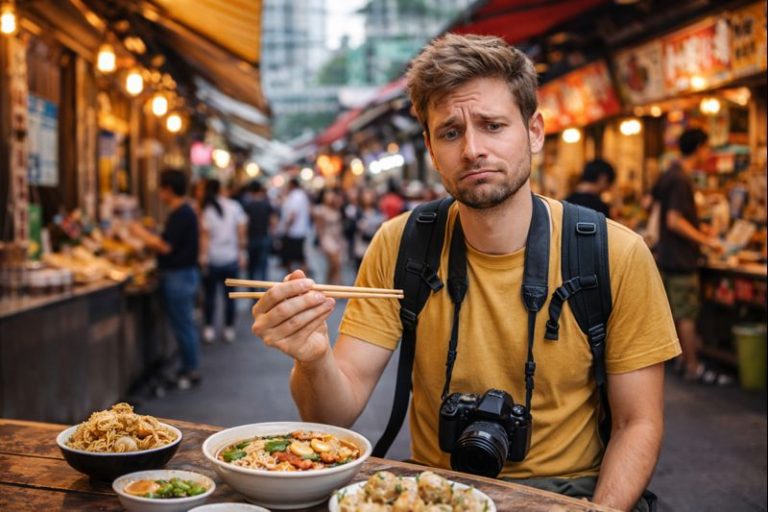
From ancient Chinese cooking implements to modern precision-engineered utensils, chopsticks represent one of humanity’s most enduring innovations. The earliest archaeological evidence dates to around 1200 BCE with bronze chopsticks discovered in the Ruins of Yin near Anyang, Henan province. Today’s best titanium chopsticks represent the culmination of this 3,200-evolution of chopsticks—combining traditional functionality with aerospace-grade materials.
This remarkable journey reflects humanity’s continuous quest to perfect everyday tools. Each material transition solved problems of the previous generation while introducing new possibilities for culinary culture and sustainable living.
Table of Contents
Ancient Origins: The First Chopsticks
The earliest evidence of chopsticks consists of six bronze implements, 26 centimeters long and 1.1-1.3 centimeters wide, excavated from the Ruins of Yin near Anyang, Henan province, dating to approximately 1200 BCE during the Shang dynasty. These were primarily used as cooking tools, capable of reaching deep into boiling pots of water or oil.
🔥 Key Innovation:
The concept of using two paired sticks as an extension of human fingers solved the fundamental problem of handling hot food safely. This principle would remain unchanged for over three millennia.
The transition from cooking tools to dining utensils occurred after the Han Dynasty (206 BCE – 220 CE), when chopsticks began to be used for eating and their usage spread to other Asian countries. This shift reflected changing cultural values and dining practices in ancient China.
🏺 Archaeological Evidence:
- Bronze chopsticks found in Shang dynasty tombs (c. 1200 BCE)
- Ivory chopsticks discovered in royal burial sites
- Evidence of spread to neighboring regions during Han period
The Bronze Age Foundation
Bronze represented the first major material innovation in chopstick design. These bronze implements were mostly likely used to reach into boiling water or oil while cooking, demonstrating early understanding of material properties for high-temperature applications.
⚡ Bronze Advantages:
- Durability: Resistant to breaking and splintering
- Heat Resistance: Could withstand high cooking temperatures
- Status Symbol: Expensive material indicated social position
- Antimicrobial Properties: Bronze naturally inhibited bacterial growth
However, bronze chopsticks had significant limitations. Their weight made extended use tiring, and bronze’s thermal conductivity meant heat from food would quickly travel up the entire length, making them uncomfortable to hold.
Cultural Significance: Bronze chopsticks established the pattern of material choice reflecting social status—a concept that continues with today’s premium titanium options.
Bamboo’s Dominance
Bamboo revolutionized chopstick accessibility, making them available to all social classes rather than just the elite. This fast-growing grass offered unique properties that made it ideal for everyday use across Asia.
🎋 Why Bamboo Succeeded:
- Abundant Resource: Fast-growing and widely available
- Lightweight Design: Comfortable for extended meals
- Natural Texture: Fibrous surface provided excellent grip
- Quick Manufacturing: Simple tools could shape them effectively
Production Process: Artisans would select mature bamboo shoots, split them lengthwise, and carefully shape them. The natural taper of bamboo created an ideal tip-to-handle ratio that became the standard for chopstick proportions.
⚠️ Discovered Limitations:
- Absorbed food odors and bacteria over time
- Eventually splintered with heavy use
- Required frequent replacement
- Susceptible to mold in humid conditions
Despite these drawbacks, bamboo’s dominance lasted nearly a millennium, establishing chopsticks as the primary eating utensil throughout East Asia and democratizing their use.
Wood Craftsmanship Era
Advanced woodworking techniques during the Ming Dynasty (1368-1644) enabled craftsmen to work with hardwoods like ebony, rosewood, and sandalwood. These materials offered superior durability while maintaining the natural feel that diners preferred over metal alternatives.
🌳 Premium Wood Types:
- Ebony: Dense, water-resistant, naturally antibacterial
- Rosewood: Beautiful grain patterns with pleasant aroma
- Sandalwood: Natural oils enhanced grip
- Boxwood: Light-colored, minimal grain, food-safe
Technical Innovations: Ming Dynasty artisans developed lacquering techniques that sealed wood pores, reducing bacterial absorption and extending lifespan. Decorative inlays with mother-of-pearl and precious metals transformed utilitarian tools into artistic expressions.
🏛️ Social Hierarchy Through Materials:
- Common people: Pine or bamboo
- Merchants: Maple or oak
- Nobility: Ebony with decorative inlays
- Royalty: Ivory with gold accents
This era established chopsticks as both functional implements and cultural artifacts, with the finest examples becoming treasured family heirlooms passed through generations.
Industrial Steel Revolution
The Industrial Revolution introduced mass production capabilities and new materials. Stainless steel, developed in the early 1900s, offered unprecedented durability and hygiene benefits that appealed to health-conscious populations in modernizing societies.
🔧 Steel’s Key Properties:
- Corrosion Resistance: Wouldn’t rust or degrade over time
- Sterilization Capability: Could be boiled or chemically sanitized
- Mass Production: Factory efficiency enabled widespread availability
- Consistent Quality: Uniform weight and balance across products
🌏 Regional Adoption Patterns:
- Korea: Enthusiastic adoption; steel became the standard material
- Japan: Cultural preference maintained wood as primary choice
- China: Mixed adoption, especially in urban restaurants
- Vietnam: Gradual institutional adoption in commercial settings
Design Evolution: Steel’s malleability allowed new shapes. Korean chopsticks became characteristically flat and shorter, optimized for their cuisine. Restaurant-grade versions often featured textured surfaces for improved grip.
❌ Identified Problems:
- Significant weight caused hand fatigue during long meals
- Smooth surfaces made gripping food difficult
- High thermal conductivity created burn risks
- Some alloys contained nickel, triggering allergies
Plastic’s Brief Era
Post-World War II chemical innovations brought plastic alternatives promising to solve steel’s weight and thermal conductivity issues. Melamine, polypropylene, and other food-safe plastics offered lightweight, colorful, and affordable options for mass consumption.
🌈 Plastic Benefits:
- Low Cost: Mass production made them nearly disposable
- Design Variety: Available in numerous colors and patterns
- Safety Features: Non-conductive and child-friendly
- Durability: Wouldn’t splinter or dent like other materials
🧪 Common Plastic Types:
- Melamine: Heat-resistant, dishwasher-safe
- Polypropylene: Flexible and chemical-resistant
- ABS: Strong and easy to manufacture
- Acrylic: Clear appearance with elegant aesthetics
The Disposable Culture: Plastic enabled single-use chopsticks for takeout and fast-casual dining, fundamentally changing consumption patterns. However, this convenience came with environmental costs that wouldn’t be fully understood until later decades.
⚠️ Emerging Issues:
- Lower-grade plastics absorbed odors and stained easily
- UV exposure caused brittleness and cracking
- Some formulations contained potentially harmful chemicals
- Disposal created mounting environmental waste
The Titanium Revolution
The 21st century brought materials science breakthroughs enabling civilian use of aerospace-grade titanium. This advanced metal addresses virtually every limitation that had challenged chopstick designers throughout history.
🚀 Titanium’s Superior Properties:
- Strength-to-Weight Ratio: Exceptional strength while remaining lightweight
- Corrosion Immunity: Completely resistant to food acids and bases
- Biocompatibility: Medical-grade safety, hypoallergenic
- Thermal Properties: Low thermal conductivity keeps handles comfortable
- Durability: Virtually indestructible under normal use conditions
Manufacturing Revolution: Advanced CNC machining and laser etching enable precision impossible with traditional methods. Modern best titanium chopsticks feature engineered surface textures providing superior grip without compromising smoothness.
🌟 Innovation Leaders:
- Valtcan – CNC-milled grooves for outdoor performance and challenging foods
Material Comparison Analysis: Evolution of Chopsticks
| Material | Typical Weight | Expected Lifespan | Hygiene Rating | Heat Resistance | Grip Quality | Environmental Impact |
|---|---|---|---|---|---|---|
| Bamboo | Very Light | 6-12 months | Poor | Low | Excellent | High (disposable) |
| Wood | Light | 2-5 years | Fair | Medium | Good | Medium |
| Stainless Steel | Heavy | 10-20 years | Excellent | High | Poor | Low |
| Plastic | Very Light | 1-3 years | Poor | Low | Fair | Very High |
| Titanium | Light | Lifetime | Excellent | Very High | Excellent | Very Low |
Based on typical performance characteristics across material categories
Cultural Impact Through the Ages
Each material transition reflected broader cultural and technological developments:
Bronze Era Hierarchy
Early bronze chopsticks represented technological mastery and social status. Only wealthy families could afford metal implements, creating clear class distinctions in dining culture.
Bamboo Democratization
Abundant bamboo made chopsticks accessible across all social classes, spreading Asian dining culture throughout the region and establishing chopsticks as everyday tools.
Wood as Art
Skilled craftsmanship elevated wooden chopsticks to artistic objects, with regional styles developing distinct aesthetic identities and becoming family treasures.
Industrial Standardization
Mass-produced steel chopsticks aligned with modernization efforts, particularly in post-war Korea and urban China’s rapid development.
Plastic Convenience
Colorful plastic chopsticks reflected Western influence and convenience culture adoption in Asian societies during rapid economic growth.
Titanium Innovation
Modern titanium chopsticks marry traditional culture with space-age technology, appealing to environmentally conscious consumers who value heritage and innovation.
Environmental Impact
The environmental consequences of disposable chopsticks became widely recognized in the 2000s, driving demand for sustainable alternatives:
- Approximately 25 million trees are cut annually for disposable chopsticks globally
- Billions of disposable chopsticks are discarded yearly across Asia
- Restaurant waste studies show significant portions consist of disposable utensils
- Plastic alternatives can take hundreds of years to decompose in landfills
This environmental crisis has driven innovation in sustainable materials. Titanium emerged as an optimal solution because one pair can replace thousands of disposable sets over its lifetime. Learn more about why titanium chopsticks beat wood and other alternatives across sustainability metrics.
🌱 Sustainability Analysis:
- Titanium requires higher initial energy to produce than other materials
- Over time, durability makes titanium the most sustainable choice
- One titanium pair can eliminate thousands of disposable chopsticks
- Titanium is 100% recyclable with no quality degradation
- No end-of-life disposal needed due to extreme longevity
Future Material Innovations
Materials scientists continue advancing chopstick technology:
Smart Materials
Research into embedded sensors could enable chopsticks that detect food temperature and safety, providing real-time feedback to users.
Shape-Memory Alloys
Experimental materials that could adjust grip texture based on temperature, automatically optimizing for different food types.
Advanced Composites
Carbon fiber and graphene composites could potentially create even lighter yet stronger utensils, though costs remain prohibitive.
Antimicrobial Coatings
Surface treatments that actively eliminate bacteria and viruses could make chopsticks self-sanitizing between uses.
Nano-Engineering
Microscopic surface modifications could optimize grip while maintaining smoothness, perfecting the balance between function and comfort.
Bio-Materials
Research into sustainable bio-based materials continues, seeking alternatives that combine performance with environmental responsibility.
Frequently Asked Questions
The earliest confirmed chopsticks were made from bronze around 1200 BCE during China’s Shang dynasty. These were discovered in archaeological excavations at the Ruins of Yin near Anyang, Henan province. They were primarily used as cooking implements rather than dining utensils.
Cultural preferences, available resources, and historical developments shaped material choices. Korea adopted stainless steel extensively due to their metalworking traditions. Japan maintained wood preferences due to cultural associations with natural materials. China used various materials based on regional availability and social status.
Titanium chopsticks can last decades or a lifetime with proper care, compared to 6-12 months for bamboo, 2-5 years for wood, and 10-20 years for stainless steel. This exceptional durability makes titanium cost-effective long-term despite higher initial prices.
Yes, medical-grade titanium is hypoallergenic and biocompatible. Unlike some stainless steel alloys that may contain nickel (a common allergen), pure titanium is considered safe for people with metal sensitivities.
While titanium production requires more initial energy, its extreme longevity makes it environmentally superior over time. One pair can replace thousands of disposable chopsticks throughout its lifetime. Titanium is also 100% recyclable without quality degradation.
Titanium chopsticks offer superior hygiene and durability compared to wood. They don’t absorb odors, stains, or bacteria like wood can. Modern titanium chopsticks feature engineered surface textures that provide excellent grip while remaining easy to clean and maintain.
Yes, titanium has excellent heat resistance and low thermal conductivity, meaning handles stay comfortable even when tips contact hot food. This makes them ideal for cooking applications like stir-frying or hot pot preparation where other materials might become too hot to handle safely.
The transition occurred after the Han Dynasty (206 BCE – 220 CE) when chopsticks began being used for eating rather than just cooking. This cultural shift reflected changing dining practices and the spread of chopstick use throughout Asia.
Conclusion: 3,200 Years of Innovation
The evolution from ancient bronze cooking tools to modern titanium utensils represents humanity’s continuous drive to perfect everyday objects. Each material breakthrough solved limitations of previous generations while introducing new possibilities for culinary culture and sustainable living.
Today’s best titanium chopsticks represent the culmination of over three millennia of innovation. They combine the lightweight comfort of bamboo, the durability of steel, and the safety of medical-grade materials into the ultimate dining implement. Beyond functionality, they embody principles of sustainability and quality that align traditional wisdom with modern environmental consciousness.
The journey from bamboo to titanium mirrors broader technological progress—from resource-constrained solutions to engineered excellence. As environmental challenges intensify, the materials we choose for daily objects become increasingly important. Titanium chopsticks demonstrate that premium performance and environmental responsibility can coexist.
For those ready to experience this evolution, our comprehensive titanium chopsticks reviews compare today’s leading innovations. Whether attracted to magnetic convenience or precision CNC-milled surfaces, the ideal pair awaits to elevate your dining experience while honoring chopsticks’ remarkable evolutionary journey.
The story of chopsticks reminds us that even the simplest tools can embody profound human ingenuity. From ancient Chinese courts to modern kitchens worldwide, these paired implements have adapted, evolved, and endured. In titanium, they have found their most advanced expression—engineered to serve future generations of culinary culture.
Related Reading: Discover why titanium chopsticks outperform traditional materials, or explore our detailed buying guide to find your perfect titanium chopsticks.
About the Author & Editorial Standards
Our editorial team has 10+ years of experience testing and reviewing kitchen utensils, with specialized focus on chopstick materials and design. We prioritize:
- ✅ Rigorous testing across multiple use scenarios
- ✅ Historical accuracy verified through academic sources
- ✅ Material science claims backed by research
Transparency Disclosure: We earn affiliate commissions when you purchase through our links, often providing better prices than direct retail (at no extra cost to you). This supports our testing and helps us maintain editorial independence.